Herceg Novi mimosa festival: dates, parades and why it matters in February
When is the Herceg Novi mimosa festival and what happens?
The mimosa festival runs across roughly three weekends from late January into February, timed to the mimosa bloom rather than a fixed date. Expect a parade, open-air concerts, food and wine stalls, and the election of a festival queen, mostly free to attend.
A flower festival that keeps the coast alive in winter
Between late January and the third week of February, the streets of Herceg Novi fill with yellow. Mimosa trees planted along the town’s steep lanes and gardens come into bloom, and for a few weekends the town runs a festival built around them: a parade through the old town, open-air concerts, food and wine stalls, and the election of a mimosa festival queen from among local schoolgirls.
It is not a beach event and it is not aimed at cruise passengers. It is one of the very few things on the whole coast that pulls a crowd outside the June-to-October season, and if you are based in Kotor over winter and wondering whether there is any reason to leave the flat, this is usually the best answer.
The festival is small by international standards. There is no ticketed main stage, no international lineup, and no crowd control problem to speak of. What it has instead is a genuinely local event, run largely by volunteers and the town’s cultural institutions, that has carried on with only minor interruptions since the early 1970s.
Where the tradition comes from
The Herceg Novi mimosa festival started in 1970, when the town’s tourist board decided to build a small public event around the flowering of the mimosa trees that had been planted in local gardens through the twentieth century, many originally brought from the French and Italian Riviera. The idea was straightforward: the coast had nothing to draw visitors between the end of the summer season and Easter, and the mimosa bloom gave it a natural excuse.
Over five decades the festival grew from a local flower show into the closest thing the Montenegrin coast has to a winter carnival, without ever losing its small-town character. It survived the breakup of Yugoslavia, the wars of the 1990s, and the shift to Montenegrin independence in 2006, pausing only in years of genuine crisis. The 2020 and 2021 editions were cancelled outright because of the pandemic; since then it has run every year, usually drawing a few tens of thousands of visitors across the full programme, most of them day-trippers from elsewhere in Montenegro and the region rather than international tourists.
Why the date keeps moving
Unlike most festivals, the mimosa festival does not sit on a fixed date. The organising committee waits for the trees themselves, and the timing of the bloom depends on how mild the winter has been. In a warm year the flowers can be out by mid-January; in a cold, wet one the peak can slip into the second half of February. In practice the main parade weekend has, in most recent years, landed somewhere in the first three weeks of February, with the wider programme of concerts, exhibitions and children’s events spread across two or three weekends either side of it.
If your dates are fixed months in advance, treat the festival as a possible bonus rather than something to plan a trip around. Check the current year’s programme once you are within a few weeks of travelling; Herceg Novi’s tourist board publishes the confirmed schedule only once the bloom is far enough along to be sure.
| Element | Typical timing | Cost |
|---|---|---|
| Mimosa bloom around town | Mid-January to late February | Free to see |
| Main parade through the old town | One Saturday, usually early to mid-February | Free |
| Open-air concerts on the main square | Spread across 2-3 weekends | Mostly free |
| Election of the mimosa queen | Same weekend as the parade | Free to watch |
| Food, wine and craft stalls | Throughout the festival weekends | Pay as you go |
| Ticketed gala concerts | A handful of evenings | Paid, sold locally |
What actually happens
The centrepiece is the Saturday parade, which moves along the seafront promenade and through the old town: local folklore groups in traditional dress, brass bands, school groups carrying mimosa branches, and a procession of decorated floats built by local clubs and businesses. It is unpretentious and short, typically under two hours, and it draws its biggest crowd of the year to a town that spends most of February half-shuttered.
Around the parade, the town runs a programme of open-air concerts on the main square, ranging from folk ensembles to pop acts booked from across the region. Craft and food stalls sell mimosa-themed sweets, local wine, rakija and the smoked ham and cheese the wider Bay of Kotor area is known for. The festival also elects a mimosa queen, a tradition dating back to the festival’s earliest years, chosen from among local secondary school students in a ceremony that is taken seriously locally even if it means little to a passing visitor.
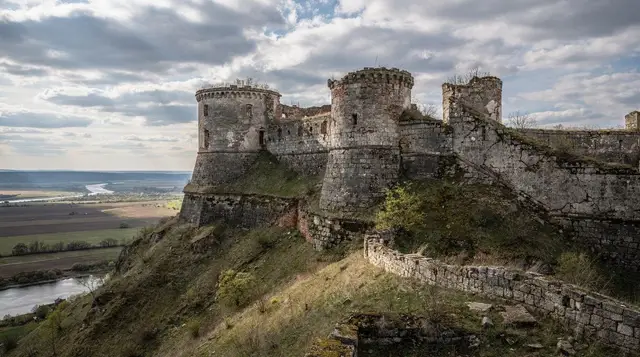
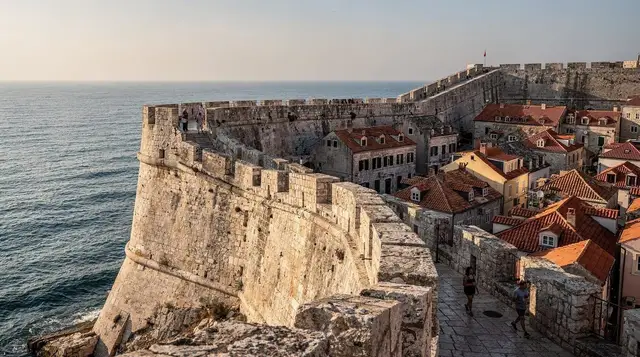
Away from the main events, the town itself is worth the trip on its own terms. The old town’s stepped lanes, the Kanli Kula and Forte Mare fortresses, and the waterfront promenade are all open and largely empty. If you have not been before, pair the festival with a proper look at the old town guide for Herceg Novi, which covers the layout and the sights worth the climb.
Getting there from Kotor
Herceg Novi sits at the mouth of the bay, roughly 45 minutes from Kotor by car if you take the Kamenari-Lepetane ferry across the narrows, or closer to an hour and a half if you drive the full loop around the bay on the coastal road instead. There is no direct bus service between the two towns that runs reliably enough to plan a festival day trip around, so most visitors either drive, book a transfer, or take an organised excursion.
If you are driving yourself, a rental car makes the most sense for a winter trip when public transport thins out further; the car rental guide for Montenegro covers what to expect from local agencies out of season. Parking in central Herceg Novi during the festival weekend is tight, much as it is in Kotor during summer, so arrive early or plan to park a short walk from the old town.
For visitors who would rather not deal with the ferry queue or winter road conditions, a guided transfer solves the logistics in one move. A private car transfer between Herceg Novi, Kotor and Perast covers the same route on your schedule, which is worth considering if you are also stopping at Perast or Our Lady of the Rocks on the way back.
Making a day of it beyond the parade
Because the festival programme itself only fills a few hours on any given day, most visitors build the rest of the day around it. Herceg Novi’s food and wine culture is a reasonable focus in February, when restaurant terraces that are jammed in August have tables to spare.
A guided wine tasting session in Herceg Novi covering local Vranac and Krstac producers is a straightforward way to spend an afternoon around the festival weekend, and the Herceg Novi wine tasting and gnocchi cooking class turns the same idea into a longer, hands-on session if you want something to do once the parade has finished and the square starts to empty out.
Savina monastery, a short walk above the old town, stays open through winter and is worth the climb regardless of the festival; see the Savina monastery guide for opening hours. Further out, the wooded slopes of Orjen rise directly behind the town and can carry snow well into the festival period even while the coast itself is mild, which is part of what makes the mimosa bloom feel like a genuine seasonal event rather than a marketing exercise.
Where to stay and what else is open
Accommodation in Herceg Novi in February is cheap and, outside the festival weekend itself, easy to find. Many hotels and guesthouses along the coast reduce their opening hours or close entirely between November and Easter, so it is worth confirming directly that a specific place is trading rather than assuming from a listing. For the main parade weekend, book ahead: the town’s stock of open, staffed rooms is smaller in winter than the summer inventory suggests, and the festival is popular enough with day-trippers and weekenders from Podgorica and the wider region that central rooms do sell out.
Restaurants and cafés along the seafront thin out too, though enough stay open through winter that finding food is not a problem, just a smaller choice than in summer. If you are staying in Kotor rather than Herceg Novi itself and treating the festival as a day trip, the wider question of what else is worth doing on the coast in the off-season is covered in the guide to winter in the Bay of Kotor and the broader season-by-season guide to Montenegro.
How it compares to Kotor’s own winter events
Kotor runs its own carnival programme in the same broad window, with its roots in the pre-Lenten Catholic carnival tradition rather than a flower bloom; see the Kotor carnival guide for details, and the Boka Night festival guide for the summer counterpart held later in the year. The two towns’ winter events do not usually clash on the calendar, so a visitor based in the bay for a few weeks in January or February can realistically catch both without much extra planning, using the ferry crossing between the two towns as the connecting link.
Practical notes
The festival itself asks nothing of visitors beyond showing up: there is no entry fee to the parade or the free concerts, no formal dress code, and no advance registration. What is worth planning for is the practical side of a Montenegrin winter trip: variable weather, shorter daylight hours, and a coastal road network that is quieter than in summer but occasionally affected by wind and rain closures on the more exposed stretches. Bring a proper layer for the evening concerts, since February temperatures on the coast typically sit in the low-to-mid teens by day and drop sharply after dark.
If the festival weekend does not line up with your dates, the mimosa bloom itself lasts for weeks either side of the organised events, and simply walking the old town’s back lanes in late January or February is enough to see what the fuss is about, no parade required.
Herceg Novi mimosa festival: your questions answered
When exactly does the festival take place?
There is no single fixed date. The festival committee sets the main parade weekend once the mimosa trees are in bloom, which usually lands somewhere between the last week of January and the third week of February. The wider programme of concerts and side events can stretch across three weekends.
Is the mimosa festival free to attend?
The parade, the concerts on the main square and the flower displays around town are free. Some evening concerts by better-known performers and a handful of gala dinners are ticketed, but they are a small part of the programme.
How do I get from Kotor to Herceg Novi for the festival?
It is about 45 minutes by car via the Kamenari-Lepetane ferry, or close to an hour and a half around the bay on the coastal road if you skip the ferry. There is no direct bus from Kotor, so most visitors either drive, book a transfer, or join an organised day tour.
Is Herceg Novi worth visiting in February outside the festival?
It is quiet, cheap and mostly closed for swimming, but the old town, the fortresses and Savina monastery are open year-round and empty of crowds. Many seafront restaurants and beach bars reduce their hours or shut until April, so check ahead if you are set on a particular place.
Where can I see mimosa flowers around Herceg Novi?
They line residential streets and gardens across town rather than growing in one dedicated park. The steep lanes above the old town and the area around Igalo tend to have the densest planting, and the town centre is decorated with cut mimosa during festival weekends.
Is the festival family-friendly?
Yes. The daytime parade and the market stalls are aimed squarely at families, with local schools and folk groups taking part. The later evening concerts skew towards a younger, louder crowd, but nothing about the festival is adults-only.
Do I need to book accommodation in advance?
For the main parade weekend, yes, if you want a central room in Herceg Novi itself. February is otherwise low season and rooms are cheap and easy to find, but the festival weekend fills the limited number of open guesthouses faster than the calendar suggests.
Seasonal experiences on GetYourGuide
Verified deep-linked GetYourGuide tours. Book through these links and we earn a small commission at no cost to you.
GetYourGuide does not provide a product photo for this activity — the image shows the meeting point, photographed by us.