Kotor off-season: 4 days without the crowds or the heat
Kotor in winter is a different town from the one on the postcards, and this itinerary is built around that difference rather than apologising for it. From November to February the Bay of Kotor gets some of the highest rainfall totals in Europe — wetter, on average, than Bergen or Cardiff. Cruise ships stop coming. Half the boat operators in Perast put their vessels into dry dock. A fair number of restaurants on the coast either close for the season or drop to weekend-only hours, and their official websites and Google listings are frequently out of date by weeks or months. If you plan around what the internet says is open, you will occasionally show up to a locked door.
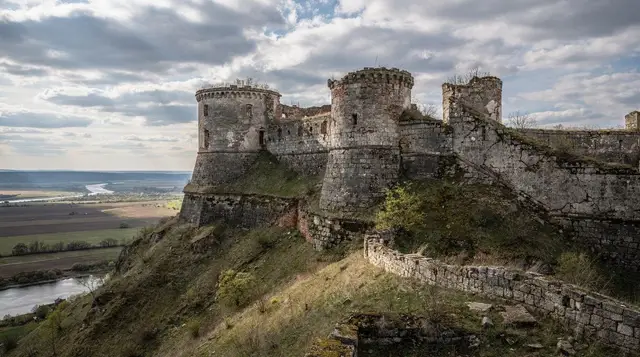
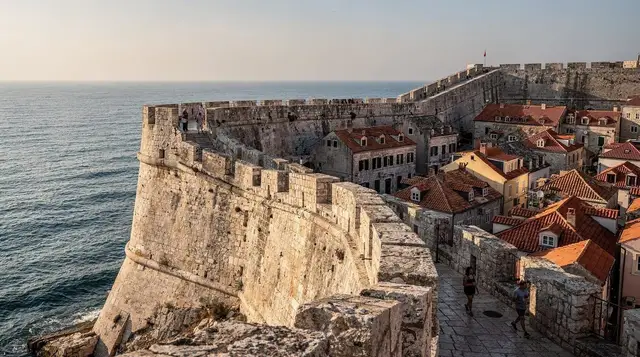
The compensation is real, not a consolation prize. The 1,350-odd steps up to San Giovanni fortress that are a queue and a sweat-soaked ordeal in August become a quiet, cool climb with the bay laid out below you and nobody on the ramparts but a few locals walking dogs.
Rooms that cost 90-180 EUR a night in high season come down to roughly half that, sometimes less if you’re booking a private apartment rather than a hotel. And Lake Skadar, which in summer is a boat-and-swim stop, becomes one of the better birdwatching wetlands in the Balkans as tens of thousands of migratory waterbirds — pygmy cormorants, herons, pelicans in good years — move through between November and March.
This is a 4-day plan for someone travelling on a tight budget, comfortable with rain gear, and not expecting swimming, sunset drinks on a terrace, or a lively old town after dark. Base yourself in Kotor itself; almost everything here is reachable without a car if you’re willing to take buses and one or two taxis, though a rental car for a day makes the Cetinje and Lake Skadar legs considerably easier. See Montenegro without a car if you want the fully car-free version of this trip.
Before you go: the off-season reality check
Three things catch visitors out every winter, and none of them are visible from a summer-written blog post.
Weather. November and December average roughly 15-18 rainy days each in the Bay of Kotor, with totals that can exceed 200mm in a single month. January and February are only slightly drier. This isn’t drizzle — it’s Adriatic storm weather that can close the San Giovanni fortress trail for safety reasons and cancel small-boat crossings to Our Lady of the Rocks for a day or two at a stretch. Pack a proper waterproof, not an umbrella; the wind off the bay turns umbrellas inside out with some regularity.
Closures. Assume nothing is open until you’ve confirmed it the day before, ideally by phone or a message to the operator, not by checking their website. Restaurants along the Kotor old town waterfront are the most likely to stay open year-round because they depend on local trade as much as tourists; family-run konobas a short walk back from the water often close for the whole low season. Boats to Perast and the Blue Cave run a skeleton schedule and some operators simply stop taking bookings until spring — check the winter in Kotor Bay guide for what’s reliably running month to month.
Short daylight. Sunset is around 4:30-5pm in December, which compresses your usable daylight for hiking and outdoor sightseeing. Build in an early start.
| Off-season factor | Summer (Jul-Aug) | Winter (Nov-Feb) |
|---|---|---|
| Rainy days/month | 3-6 | 15-18 |
| Accommodation (3-star, per night) | 90-180 EUR | 50-100 EUR |
| Apartment (per night) | 50-100 EUR | 30-50 EUR |
| San Giovanni fortress | Queues, 25-30°C climb | Empty, cool |
| Boats to Perast/Blue Cave | Frequent, multiple operators | Reduced, some closed |
| Old town restaurants | All open | Many closed or weekend-only |
| Cruise ships in port | Up to several/day | None |
Day 1: Kotor old town and San Giovanni, without the queue
Spend the morning inside the walls of Kotor old town. In summer this is a 30-45 minute walk done in a scrum of cruise groups; in winter you can take two hours and actually read the plaques. Start at the Sea Gate, cross the Square of Arms, and go into Saint Tryphon Cathedral, consecrated in 1166, whose two towers are visibly different heights after repeated earthquake damage. The cathedral, unlike some of the surrounding shops, keeps consistent winter hours — but check locally on the day, since even churches occasionally shift service times in low season.
After lunch, climb to San Giovanni fortress. This is the single best reason to visit Kotor off-season. The climb is roughly 1,350 steps and takes 45 minutes to an hour and a half depending on your pace and how often you stop for the view — in August that same climb is a slow shuffle behind dozens of overheated tourists; in November or February you’ll likely have long stretches of the ramparts to yourself.
Entry fees have varied year to year, roughly 8-15 EUR in season; check whether the ticket booth is staffed in winter, as some seasons it operates on reduced hours or a self-pay honesty system. If it’s raining heavily or the path looks slick, don’t push it — the steps are uneven stone and genuinely dangerous wet. The free alternative, the old mule track known as the Ladder of Kotor, climbs from the back of the old town and is longer but has no entry fee; see the Ladder of Kotor hiking guide for the route.
For dinner, stick to the handful of restaurants that reliably stay open on the old town waterfront rather than searching for something quieter — see where to eat in Kotor old town for which ones. Expect a starter and main with a glass of Vranac to run 15-25 EUR per person, noticeably less than the same meal in August.
Day 2: Perast and Our Lady of the Rocks, weather permitting
Perast, 12km and about 20 minutes from Kotor, is the postcard village of the bay — a single row of baroque palaces between the water and the hill. In winter, buses along the coastal road run but less frequently than in summer, so check timings the day before rather than assuming an hourly service. A taxi from Kotor costs roughly 15-20 EUR one-way if the bus schedule doesn’t line up.
The boat out to Our Lady of the Rocks — the artificial islet built up over centuries on submerged rocks opposite Perast — is the piece of this day most likely to be affected by winter closures. Some independent boatmen stop running altogether from December to February; others operate on request only, weather permitting.
A booked option removes the guesswork: the 2-hour speedboat trip to Our Lady of the Rocks and back runs with a confirmed operator rather than a boatman you have to track down on the quay, which matters more in low season than in July when there are boats every few minutes. If conditions are too rough to cross, you can still see the islet clearly from the Perast waterfront.
Back in Kotor by evening, this is a good night to eat in rather than search for an open restaurant — buy prsut and cheese from a small shop and a bottle of Vranac, and save the meal out for tomorrow.
Day 3: Cetinje and Lovćen, up into the mountains
Cetinje, Montenegro’s old royal capital, is about an hour from Kotor via the Njeguši road — a narrow route with roughly 25 hairpin bends climbing out of the bay, which is dramatic in clear weather and genuinely nerve-wracking in fog or rain if you’re driving it yourself and unused to mountain switchbacks. In winter conditions, this is the day to book a driver rather than self-drive: the private tour to Lovćen, Cetinje and Budva covers the same ground with a local driver who knows the road in bad weather and can adjust the plan if the mountain pass is closed by snow, which happens several times most winters.
In Cetinje, the Cetinje Monastery holds relics including a claimed fragment of the True Cross and the embalmed hand of John the Baptist; opening hours contract in winter, typically closing earlier in the afternoon, so arrive before 2pm to be safe. If the road up to the Njegoš Mausoleum on Lovćen is open — it’s sometimes closed by snow from December through February — the view from 1,657m over the whole bay and the mountains beyond is worth the detour; if it’s closed, Cetinje itself and the nearby Lipa Cave fill the day well.
The Lipa Cave guided tour runs year-round since the cave interior is unaffected by surface weather, and it’s a reasonable wet-weather fallback if the mountain roads are bad.
Return to Kotor by early evening. Distances and driving times for this whole region are covered in a dedicated how-many-days guide if you want to extend this leg.
Day 4: Lake Skadar birdwatching and Herceg Novi
This is the day the off-season argument makes itself. Lake Skadar, the largest lake in the Balkans, straddling the border with Albania, is a summer boat-and-swim destination that most visitors treat as a lunch stop. Between November and March it’s something else: one of the more significant wintering and staging wetlands in southeastern Europe for migratory waterbirds, with pygmy cormorants, herons, egrets, and in good years Dalmatian pelicans moving through in numbers that don’t show up in summer at all.
Base yourself at Virpazar, about 1 hour 15 minutes from Kotor, and take a boat out onto the reed channels. The scenic Skadar Lake boat cruise runs in winter with a smaller, quieter boat than the summer swimming-focused trips, and mornings are the best window for bird activity — arrive as early as the operator will take you rather than mid-afternoon. Bring binoculars if you have them; the operators don’t always supply them.
If you have energy left after Skadar, Herceg Novi, 45 minutes from Kotor via the Kamenari-Lepetane ferry, makes a reasonable final stop with its own old town and fortress, and it’s noticeably less crowded than Kotor’s even in summer. In winter the ferry still runs but on a reduced schedule with longer gaps between crossings, so check the timetable before committing to this add-on; if you’re tight on time, skip it and spend the afternoon back in Kotor instead.
Off-season Kotor: your questions answered
How much rain should I actually expect in Kotor in winter?
November through February averages roughly 15-18 rainy days per month in the Bay of Kotor, with monthly totals that can exceed 200mm — genuinely one of the wetter corners of Europe in winter, driven by the mountains trapping Adriatic storm systems. Pack a real waterproof jacket rather than relying on an umbrella, since the wind off the bay is often strong enough to turn one inside out.
Will restaurants and boats actually be open when I arrive?
Some will and some won’t, and the gap between what a website says and what’s actually happening on the ground is the single biggest off-season trap. Restaurants directly on the old town waterfront in Kotor are the most likely to stay open year-round; family-run places further back close for weeks or the whole low season. Boat operators to Perast and the Blue Cave run reduced schedules and some stop entirely from December to February. Always confirm the day before by phone or message rather than trusting an official site.
How much cheaper is Kotor in winter compared to August?
Accommodation typically drops 40-50%: a 3-4 star hotel that runs 90-180 EUR a night in August comes down to roughly 50-100 EUR in winter, and apartments that cost 50-100 EUR drop to 30-50 EUR. Restaurant meals and taxis don’t fall by nearly as much, since those prices are less seasonally elastic.
Is climbing San Giovanni fortress worth it in winter?
Yes, arguably more so than in summer. The climb is about 1,350 steps and takes 45 minutes to an hour and a half; in August it’s done in heat and crowds, while in winter you get a cool climb with long stretches of the fortress to yourself. Skip it only if it’s actively raining hard or the stone steps look wet and slick — the path can be closed for safety in bad weather, and there’s no shelter partway up.
Is Lake Skadar really better for birdwatching in winter than summer?
Yes. Summer visits to Lake Skadar are built around boat trips and swimming stops, with birdlife present but not the focus. From November to March the lake becomes a significant wintering ground for migratory waterbirds, including large numbers of pygmy cormorants and herons and, in good years, Dalmatian pelicans — a genuinely different experience from the summer boat trip, and one most visitors never see.
Do I need a car for this itinerary?
It’s easier with one for the Cetinje and Lake Skadar days, since winter bus schedules are thinner and less predictable than in summer. It’s not essential — buses run the coastal corridor and to Virpazar, and a private driver for the Cetinje/Lovćen day removes the need to navigate the Njeguši hairpins yourself in possibly wet conditions. See the Montenegro without a car itinerary for the fully car-free approach.
What should I pack that I wouldn’t need in summer?
A proper waterproof jacket, layers rather than one heavy coat since Kotor’s winter temperature swings during the day, and sturdy shoes with grip for wet stone steps. Binoculars are worth packing for the Lake Skadar day if you have a pair.
Is it worth visiting Kotor in winter at all, or should I just wait for spring?
It depends what you’re optimising for. If you want swimming, terrace dinners, and a lively old town at night, wait for late May to June or September (see best time to visit Kotor). If you want San Giovanni without a queue, the lowest accommodation prices of the year, and birdwatching at Lake Skadar that simply doesn’t happen in summer, winter is the better trade — as long as you accept the rain and the phone calls to confirm what’s actually open.
Seasonal experiences on GetYourGuide
Verified deep-linked GetYourGuide tours. Book through these links and we earn a small commission at no cost to you.
GetYourGuide does not provide a product photo for this activity — the image shows the meeting point, photographed by us.