Most people who mention Tara Canyon in the same breath as Kotor have never actually driven the road between them. It is not a half-day detour: reaching the canyon from the coast takes the better part of a morning, and rafting it takes the better part of an afternoon. What you get for that time is one of the deepest river gorges on the planet and a stretch of whitewater that, unusually for something this dramatic, beginners can paddle safely.
Depth, geology and why it ranks second in the world
Tara Canyon cuts through the limestone plateau of northern Montenegro for about 78km, from its source near Trebaljevo to the confluence with the Piva at Šćepan Polje on the Bosnian border. At its deepest point the canyon walls drop close to 1,300m from rim to riverbed — a figure that puts it behind only the Grand Canyon in Arizona among the world’s deep river canyons, and ahead of anything else in Europe. That maximum depth is not constant along the route; it is reached at specific narrow points, and elsewhere the gorge is a few hundred metres deep, still enough to feel genuinely enclosed from a raft.
The canyon and the river both sit inside Durmitor National Park’s protected zone, and UNESCO recognises the wider Tara River Basin as a biosphere reserve. The rock is karst limestone, which explains both the canyon’s sheer, sculpted walls and the river’s unusual clarity: rainwater filters through the plateau rather than carrying surface runoff straight into the channel, and the catchment above the rafting sections has almost no industry or dense settlement. The Tara is routinely cited as one of the cleanest rivers left in Europe, drinkable in its upper reaches, though the standard tourist advice is still to treat any wild water with some caution downstream of villages and campsites.
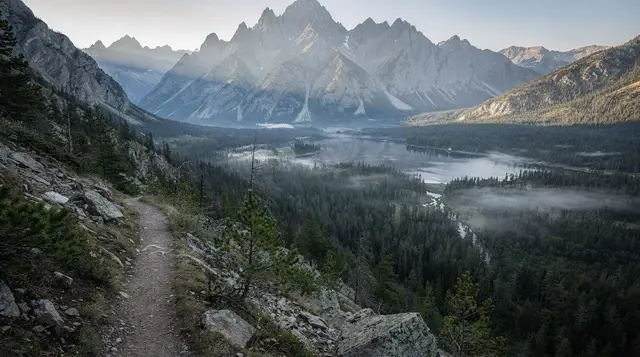
Forest covers most of the surrounding slopes — black pine, spruce and beech — which is part of why the canyon photographs so well from the road above: dark green walls dropping to a turquoise-green river that changes shade with the light and the season.
Rafting: what class II-III actually means here
The commercial rafting run on the Tara covers the stretch between Splavište and Šćepan Polje, roughly 18-24km depending on the operator and water level, taking 2.5 to 3.5 hours on the water. It is graded class II-III on the international whitewater scale: continuous small-to-medium rapids with some technical sections, but nothing that requires prior experience. A guide steers and calls the paddling instructions from the back of each raft; passengers supply the paddling.
That said, “beginner-friendly” assumes a certified guide and decent conditions. Early-season trips in May and June run on higher, colder, faster water — more exciting, colder if you fall in, and occasionally suspended after heavy rain when the river runs too high for safety. By August, flow drops, the water warms into the high teens or low twenties Celsius, and the rapids are gentler; some operators describe the late-August run as closer to a scenic float with occasional rapids than a whitewater trip. If the grade of excitement matters to you, ask the operator what the current water level looks like before booking, particularly outside July-August.
Standard inclusions on a day trip are: transport from a pickup point (sometimes Žabljak, sometimes further afield), wetsuit, helmet and life jacket, the guided raft descent, and usually a riverside lunch — often trout or a barbecue — included in the price. A one-day Tara Canyon rafting trip booked in advance removes the logistics of finding a rafting base yourself, which matters given how remote the put-in point is.
For a shorter, calmer alternative to full rafting, several operators run canoe trips on flatter sections of the same river, better suited to families or anyone who wants the scenery without the rapids: a canoe outing with a riverside picnic and photo stops covers that middle ground.
Rafting seasons compared
| Period | Water level | What to expect |
|---|---|---|
| May – early June | High, cold | Fastest rapids, coldest water, occasional cancellations after rain |
| Mid-June – August | Moderate, warmer | The most popular window: solid rapids, warmer water, busiest riverbanks |
| Late August – September | Lower, mild | Gentler run, warmer swimming, some operators shorten the route |
Getting there from Kotor
There is no shortcut. The direct road distance from Kotor to the Tara Canyon rafting area near Žabljak is around 150km, but the road climbs through the interior rather than following a motorway, so the drive takes 3 to 3.5 hours each way. Two realistic routes exist: via Nikšić and Šavnik, or via Nikšić and Žabljak on slightly better-maintained road for more of the way. Either way, expect mountain roads with switchbacks in the final stretch, similar in character to the old road up to Njeguši above Kotor, just longer.
Because of the distance, day trips booked from Kotor typically leave before or around 6am and return after 9pm. A Durmitor National Park day trip with Tara River rafting handles that early start and the driving, which for most visitors is worth the price over self-driving a round trip of 6-7 hours on the same day as an activity that already runs half a day.
If the single long day sounds punishing, the more comfortable option is to break the trip: drive up, stay a night in Žabljak, raft or visit the canyon viewpoints the next morning, then either return to Kotor or continue north toward Kolašin and Biogradska Gora. The national parks grand tour itinerary and the Montenegro without a car itinerary both cover ways to structure a multi-day loop through this region without doubling back to the coast every night.
No public bus runs to the rafting put-in points, and taxi fares over this distance are steep and rarely metered honestly outside town centres — see our notes on taxis in Kotor for the general pattern. A rented car (see the car rental guide) or a booked tour are the two practical options.
Canyon viewpoints without getting in a raft
You do not have to raft to see the canyon. Several roadside and marked viewpoints along the Žabljak–Šćepan Polje road and around Đurđevića Tara Bridge give a genuine sense of the depth without any water activity. The bridge itself, a 1940 concrete arch spanning the gorge near its northern end, has become the canyon’s most photographed single spot, with a viewing platform and a zipline crossing that runs above the gorge; that bridge and zipline are covered as their own destination and are worth treating separately from the rafting stretch further downstream, since they sit at a different point on the river and involve a different kind of visit.
For a more active but still non-rafting way into the canyon environment, canyoning trips on smaller side tributaries and hiking routes along the rim (see the Black Lake and Žabljak hiking guide) both put you close to the gorge on foot rather than water.
Combining Tara Canyon with the rest of Durmitor
Because the canyon sits at the edge of Durmitor National Park, most visitors pair it with at least one other stop in the same trip rather than driving 3.5 hours each way for rafting alone. Black Lake, a short walk from central Žabljak, is the obvious add-on: flat, glacial, ringed by pine forest, and walkable in under an hour. A combined Black Lake and Tara Canyon day tour from the coast typically structures the day exactly this way — lake in the morning, canyon or rafting in the afternoon.
Outside the May–September rafting window, the canyon and surrounding park still work as a scenic and hiking destination; winter brings snow to Žabljak and the high plateau, and a winter tour taking in Black Lake and the Tara Bridge substitutes snowshoeing and viewpoints for rafting when the river runs too high and cold for commercial trips.
For further exploration beyond Durmitor itself, Kolašin sits about an hour further north and makes a reasonable next stop or overnight base if you are continuing rather than returning to the coast, while Biogradska Gora National Park adds an old-growth forest reserve to the same general area.
Practical notes: what to bring, what it costs
Dress for water and mountains, not for the coast. A rafting trip supplies a wetsuit, helmet and life jacket, but bring a swimsuit to wear underneath, a change of dry clothes for after, and closed shoes that can get wet — sandals are usually refused. Bring sun protection even though you will be wet; the canyon walls block wind more than sun at midday. Evenings at altitude around Žabljak are noticeably colder than Kotor even in July and August, so pack a layer if you are staying overnight, and see the general what to pack for Montenegro guide for the fuller list.
On cost: a half-day rafting trip typically runs from around €35-40 per person for transport-included group trips departing Žabljak, up to €70-90 per person for full-day tours departing the coast that include the long transfer, lunch and a canyon viewpoint stop. Add fuel or a rental car cost if self-driving; the round trip from Kotor is roughly 300km. For a fuller sense of what a day in this region costs against the rest of the country, see the Montenegro daily budget guide.
Bookings for rafting fill up in July and August, particularly for the earliest morning departures, which also happen to have the calmest water and the fewest other rafts on the river. If you have flexibility, June or September gives a quieter run at similar prices — see the Montenegro by season guide and the best time to visit guide for how this compares with the coastal high season.
For more detail specific to the rafting logistics and operator differences, our dedicated Tara Canyon rafting guide goes deeper than this destination overview, and the how many days in Kotor and the bay guide helps decide whether a Durmitor detour like this fits your overall trip length.
How a rafting day unfolds
Whatever the operator, the rhythm of the day is much the same. You meet at a base near the river, are fitted for a wetsuit, helmet and life jacket, and sit through the safety briefing: how to hold the paddle, what the guide’s calls mean, how to float feet-first if you end up in the water. Listen properly even if you have rafted before. The guide knows this particular river, and the briefing is where you learn which calls to expect and when the water will be at its liveliest.
Once on the river, the first stretch is usually calm enough to settle into the paddling rhythm. The rapids come in bursts with flatter water between them, and the pauses are when most people look up at the walls and realise how far above them the rim sits. Guides often leave time for a swim in a quiet pool or a stop beside a waterfall where side streams drop into the main channel. If you want the photographs, ask in advance how the operator handles cameras: phones belong in a waterproof pouch or stay on the bank.
The riverside lunch afterwards is part of the experience rather than an afterthought. Eating a hot meal, still damp, with the gorge above you is what many people remember longest, and it gives a slow hour before the long drive back toward the coast.
Choosing between rafting, canoe and a tour
The right format depends on who is travelling and how much of the day you want to spend on the road.
- Rafting suits anyone who wants the whitewater and is comfortable getting thoroughly wet. It is the headline activity, and the one most travellers have in mind when they plan the trip.
- Canoe suits families, anyone nervous about rapids, and travellers who care more about the scenery and the picnic than the adrenaline.
- A combined tour suits visitors with a single day to spare who want the lake and the canyon together, and who would rather leave the driving to someone else.
- A winter outing is the choice if you find yourself in the mountains outside the season: a winter excursion to Black Lake and the Tara Bridge swaps the river for snowy viewpoints.
If you are still weighing the trip against other days out, the Lake Skadar versus Durmitor comparison sets the mountain option beside a gentler lake day, and the Durmitor National Park guide shows what else the area offers if you stay longer.
Tips for a smoother trip
- Book the earliest departure you can. Early rafts tend to meet fewer crowds on the river, and an early start also makes the long return drive less tiring.
- Check the weather and the water level the day before. Heavy rain can change the plan, and a good operator will tell you honestly if the trip is off or modified.
- Eat a proper breakfast, but not an enormous one. You will be paddling, and the mountain roads before the put-in are winding.
- Tell the operator about any health concern, a fear of deep water or a child’s age when you book, not on the riverbank.
- Keep valuables in the hotel or the car. Nothing you carry onto the river will be safe from the water.
- If you are driving yourself, fill the tank before leaving the coast and leave time for slow stretches behind trucks and for photo stops, which on this road you will want.
Travellers who like to see the canyon from several angles often combine the river with the Tara Bridge zipline, which looks down on the gorge from above. Seeing the same canyon first from the rim and then from the water gives a much better sense of its scale than either view alone.
Tara Canyon and the bay area, in context
None of this is a short outing from Kotor’s old town in the way a boat trip to Perast or an afternoon at Bečići beach is. Tara Canyon belongs to the north of the country, geologically and logistically, and visiting it properly means accepting a long day on mountain roads or a night away from the coast. What you get in return — a genuinely deep gorge, water clean enough to describe honestly as some of Europe’s best, and a rafting run gentle enough for a first-timer — is different from anything else within reach of Kotor, which is exactly why it is worth the drive rather than a reason to skip it.