Crossing into Albania for the day
Shkodër is the easiest full taste of Albania you can get from Kotor without an overnight stay. The drive is around 2 hours, running down the coast through Ulcinj and across the border south of town, then inland to Albania’s fourth-largest city. It is a different country, currency and alphabet from Montenegro, but the crossing itself is usually the least stressful part of the day: the post south of Ulcinj carries far less summer traffic than the queues that build up heading for Dubrovnik, where cars can sit for 2-5 hours at the Debeli Brijeg checkpoint in July and August.
What you get for the drive is a walkable old bazaar rebuilt from Ottoman-era foundations, a hilltop fortress standing over the meeting point of three rivers, and a second look at Lake Skadar from the Albanian shore, after you have already seen it from Virpazar or Lake Skadar on the Montenegrin side. None of it is polished for tour buses the way Dubrovnik’s old town is, which is either the appeal or the drawback depending on what you want from a day out.
Getting from Kotor to Shkodër: the drive and the border
There is no direct bus linking Kotor and Shkodër, and Montenegro’s coastal bus network, reliable enough between Kotor, Budva and Tivat, does not extend across the border. That leaves two practical options: self-drive or a booked day tour with a driver.
If you are driving, the route runs along the coast road through Ulcinj, then turns inland for the border crossing. Roads on the Albanian side are narrower and less consistently signed than in Montenegro, and GPS coverage can lag reality around roadworks. Fuel up before you cross; prices and card acceptance are less predictable in rural Albania. If you have not already sorted a rental car, our car rental guide covers cross-border insurance, which you must confirm with the rental company before attempting this trip, since not every Montenegro rental policy covers driving into Albania.
Border paperwork is straightforward for EU/EEA, UK, US, Canadian and Australian passport holders: no visa, just a passport stamp on each side, and neither country’s stay counts toward the Schengen 90/180-day allowance because neither is in Schengen. Bring the physical passport, not a photo of it.
| Crossing point | Typical wait, summer weekday | Typical wait, summer weekend |
|---|---|---|
| Border south of Ulcinj (to Shkodër) | 5-20 minutes | 20-45 minutes |
| Debeli Brijeg (to Dubrovnik, for comparison) | 1-2 hours | 2-5 hours |
Rozafa Fortress: history at the confluence
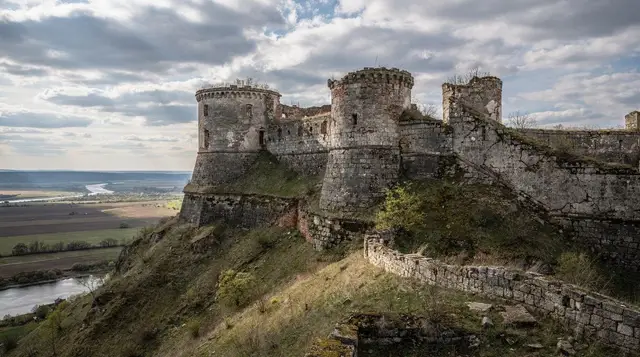
Rozafa Fortress sits on a rocky hill above modern Shkodër, at the point where the Drin, Buna and Kir rivers meet, and the view from the ramparts is the single best reason to make the trip. The walk up from the car park is short, on a paved path with a manageable gradient, closer to 15-20 minutes than the 45-minute-plus slog up to San Giovanni above Kotor’s old town. There is an entrance fee, payable in lek, and the site includes a small on-site museum with fragments from the fortress’s Illyrian, Venetian and Ottoman phases.
The fortress takes its name from a local legend about a woman walled into its foundations to secure the building’s stability, a story told with variations across the Balkans. Whatever you make of the legend, the setting is real: on a clear morning you can trace the Buna river out toward the Adriatic and pick out the flat plain where the Drin was diverted in the twentieth century, reshaping the whole delta.
Go before mid-morning if you can. Later in the day the light flattens and coach groups arriving from Tirana or the Albanian Riviera fill the narrow paths near the entrance.
The old bazaar and centre of Shkodër
Downhill from the fortress, Shkodër’s old bazaar has been restored as a pedestrian street of low Ottoman-era buildings, now filled with cafés, jewellers and a handful of craft shops. It is smaller and quieter than Kotor’s old town and does not get anything like the cruise-ship footfall; most visitors here have arrived overland, the way you will have. Coffee culture is a genuine local institution in Shkodër, more Italian-inflected than Montenegrin, and a slow espresso on the bazaar street is a reasonable way to spend the hottest hour of the afternoon.
Shkodër is also one of Albania’s cycling cities, flat enough that locals get around by bike in numbers unusual for the region, so pedestrian streets can have more bicycle traffic weaving through than you would expect. The city’s Marubi National Museum of Photography, a short walk from the bazaar, holds one of the region’s oldest photographic archives if you have an extra hour and want something indoors.
Lake Shkodër: the Albanian side of a lake you may already know
What Montenegro calls Lake Skadar and Albania calls Lake Shkodër is the same body of water, Europe’s largest lake by area, split roughly two-thirds Montenegrin and one-third Albanian by the border running through it. If you have already taken a boat out from Virpazar or Rijeka Crnojevica, or read our Lake Skadar boat tour guide, the Albanian shore near Shkodër will feel noticeably less set up for visitors: fewer piers, fewer organised boat trips, and a more workaday relationship between the lake and the fishing villages along it.
Eel and carp fishing, the same catch covered from the Montenegrin side in our piece on the eel and carp of Lake Skadar, continues on the Albanian shore too, sold in Shkodër’s markets rather than at lakeside restaurants aimed at tourists.
Most boat trips advertised as departing “from Shkodër” are not actually on Lake Shkodër at all. They run on Komani Lake, an artificial reservoir on the Drin river roughly 1.5-2 hours further into the Albanian Alps, a genuinely different landscape of steep forested gorges rather than the flat wetland of Lake Skadar. It is a worthwhile trip in its own right, just not one to bolt onto a Kotor day trip without adding a very long day in the car.
Money, language and practical differences from Montenegro
Montenegro uses the euro, unilaterally adopted outside any formal currency union. Albania does not: its currency is the lek, and euros are accepted in some tourist-facing spots at a poor informal exchange rate, not as legal tender. Draw lek from an ATM in Shkodër, or bring a small amount of cash changed beforehand, and expect to pay in lek for anything beyond a coffee or a small souvenir.
Language shifts too. Albanian, not Montenegrin, is spoken here, written only in Latin script, unlike Montenegro’s mixed Latin and Cyrillic. English is spoken in tourist-facing businesses around the fortress and bazaar but less reliably than in Kotor or Budva. Italian is a genuinely useful second language across northern Albania, a legacy of decades of Italian television reception before 1990.
Phone coverage from a Montenegrin SIM will typically switch to roaming once you cross, so check your data plan before relying on maps; our SIM card guide covers Montenegrin options but not Albanian roaming rates specifically. A rough daily budget for the Shkodër leg alone, food and fortress entry included but not fuel or a driver, runs €25-45 per person; see our broader Montenegro daily budget guide for how that compares with a day spent inside Montenegro.
Boat trips beyond Shkodër: Komani Lake and Shala River
If a single day trip to Shkodër leaves you wanting more of northern Albania, the two boat routes that actually depart from the city are worth knowing about separately, since they are frequently confused with a Lake Shkodër cruise. The Komani Lake boat trip departing Shkodër crosses the Drin river gorge by ferry through steep, forested walls that some compare to a fjord, a genuinely different landscape from anything around the Bay of Kotor. The Shala River day trip from Shkodër pushes further into the Alps to a narrower, turquoise stretch of water reachable only by boat.
Both are full-day commitments on their own, roughly 8-10 hours round trip from Shkodër, and neither is realistic as an add-on to a Kotor-based day trip; treat Shkodër, Rozafa and the bazaar as day one, and either boat route as a separate excursion if you are staying in northern Albania rather than based in Montenegro. For a broader look at pairing Albania with a Kotor base across more than one day, see our guide to two countries in one day from Kotor and the wider Albania day trip from Kotor overview.
Planning your day: itinerary and budget
A workable one-day plan, assuming an early start from Kotor:
| Time | Stop |
|---|---|
| 7:00-7:30 | Depart Kotor, drive via Ulcinj |
| 9:00-9:30 | Cross the border, continue to Shkodër |
| 9:30-11:00 | Rozafa Fortress |
| 11:15-13:00 | Old bazaar, coffee, lunch |
| 13:00-14:00 | Lakeside drive or Marubi museum |
| 14:30-16:30 | Return drive to Kotor, border crossing |
Fuel, fortress entry, lunch and coffee for two typically land in the €50-90 range total, before any guided tour or driver fee. If you would rather not drive at all, weigh this trip against other cross-border options from Kotor: our guides to a Dubrovnik day trip and a Mostar day trip cover the two most-booked alternatives, both reachable with a driver through operators offering a private walking tour of Dubrovnik’s old town or a guided day tour to Mostar from the Croatian side.
If Shkodër is one stop among several on a longer coastal loop, our how many days in Kotor and the bay guide and the buses in Montenegro guide help you weigh a border day against staying closer to base, and our Podgorica page covers the inland alternative if Albania feels like too much for one day.
FAQ: day-tripping to Shkodër from Kotor
Do I need a visa to cross from Montenegro into Albania?
No, not for EU/EEA, UK, US, Canadian or Australian passport holders, who enter Albania visa-free for up to 90 days in a 180-day period, the same allowance as Montenegro. Albania is outside Schengen too, so bring your passport: it gets stamped on both sides of the border.
Is the border crossing near Ulcinj quicker than the Croatian border?
Usually yes. The crossing south of Ulcinj towards Shkodër rarely sees the multi-hour queues that build up at Debeli Brijeg towards Dubrovnik in July and August. Expect anywhere from a few minutes to 30-45 minutes at peak summer weekends, not the 2-5 hours possible on the Croatian side.
Can I pay in euros in Shkodër, or do I need Albanian lek?
Albania’s currency is the lek, not the euro. Some restaurants and shops near Rozafa Fortress and the bazaar will accept euros for round numbers, but the exchange rate is poor. Withdraw lek from an ATM in Shkodër or change a small amount before you leave, and pay in lek for anything beyond a coffee.
Is Rozafa Fortress worth the climb?
Yes. The walk up is short and gentle compared with Kotor’s San Giovanni fortress, maybe 15-20 minutes on a paved path, and the payoff is a genuine three-river view over the confluence of the Drin, Buna and Kir. Go in the morning for softer light and fewer coach groups.
How does Lake Shkodër differ from the Montenegrin side (Lake Skadar) I already visited?
It is the same lake, split by the border, but the Albanian shoreline feels less developed for tourism than Virpazar or Rijeka Crnojevica on the Montenegrin side. There are fewer organised boat trips departing from the Albanian shore itself; most lake boat tours booked from this side of the border actually run on Komani Lake, a reservoir further north, not on Lake Shkodër.
Should I book a guided tour or drive myself?
Self-driving works well if you already have a rental car in Montenegro and are comfortable with an unfamiliar border crossing and Albanian road signage, which mixes Albanian and occasional Italian. A guided day trip removes the border-paperwork uncertainty and adds a driver who knows the parking situation in central Shkodër, which is tight.
Can I combine Shkodër with Komani Lake or the Shala River in one day?
Not comfortably from Kotor. Komani Lake and the Shala River are further into the Albanian Alps, roughly another 1.5-2 hours beyond Shkodër each way, so combining either with a Kotor-based day trip makes for a very long day on the road. They work better as their own full-day tours departing from Shkodër itself.