Windsurfing and kitesurfing at Velika Plaža, Ulcinj
Is Velika Plaža near Ulcinj good for windsurfing and kitesurfing?
Yes. Its 12km of open sand faces the prevailing summer thermal wind (the maestral), which typically builds through the afternoon from June to September. Several schools on the beach and at nearby Ada Bojana rent equipment and run beginner lessons; it is 2 hours from Kotor by car.
Why windsurfers and kitesurfers head to Ulcinj
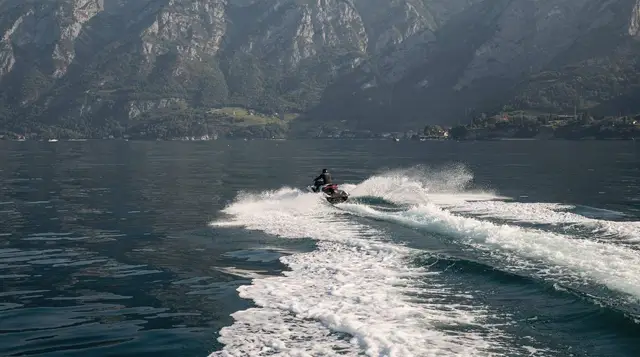
Most of the coast around Kotor is built for boat trips and mountain views, not wind sports — the bay is narrow and sheltered, exactly the wrong shape for a consistent breeze. Ulcinj, at the southern end of Montenegro near the Albanian border, is a different environment. Its beach, Velika Plaža, runs for roughly 12km of open sand facing the Adriatic with almost nothing blocking the wind. That combination — a long straight beach, a shallow sandy shelf, and a reliable summer thermal wind — is why this stretch is regularly named among the better windsurfing and kitesurfing spots on the southern Adriatic, alongside better-known Croatian and Italian sites.
It is not a spot you stumble onto on the way to somewhere else. Getting here from Kotor takes a couple of hours, so this guide is really for two kinds of visitor: people staying in or near Ulcinj who want to know what to expect on the beach, and people based around Kotor or Budva weighing whether a day trip south is worth the drive.
The wind: what the maestral actually does
The wind that makes this coast work is the maestral, a thermal sea breeze rather than a storm-driven gust. It forms because the land heats up faster than the sea through the morning; by midday the air over the coast is rising, and cooler air is drawn in off the water to replace it. The practical effect for anyone planning a session:
| Time of day | Typical wind |
|---|---|
| Early morning | Often flat or very light |
| Late morning | Building gradually |
| Early to mid afternoon | Strongest, most consistent |
| Early evening | Fading as the land cools |
That pattern means a windsurfing or kitesurfing trip here is an afternoon plan, not a sunrise one. It also means some mornings look unpromising and turn into a good session by 2pm — worth knowing before you write off a day. The thermal effect is most dependable from June through September, with July and August the most consistent stretch. Outside that window the wind is far less predictable, and by late autumn most of the rental operations on the beach have closed for the season; see the Montenegro by season guide for how that fits the rest of the coast’s calendar.
Reading the day before you rig up
Because the maestral is driven by heat, the sky tells you most of what you need. A clear, hot morning usually points to a strong afternoon breeze, while a hazy or cloudy start can slow the build-up and push the best window later. Watch the surface of the water from the sand: small ripples that start to organise into steady lines are the sign that the thermal is arriving. Experienced riders tend to wait for that moment before inflating a kite or rigging a sail, and beginners benefit from the same patience. A school on the beach will often know within minutes whether the day is going to deliver, which is one more reason to ask them rather than trusting a forecast app alone.
Gusts also behave differently from a storm wind. A thermal breeze is generally smoother and more predictable, which is part of why the spot suits learners, but it can still strengthen noticeably as the afternoon goes on. Plan your lesson or rental for the moment the wind is steady rather than at its very peak, and keep your most ambitious riding for when you already feel comfortable with the gear.
Velika Plaža versus Ada Bojana
The long beach at Ulcinj is sometimes talked about as a single spot, but it is worth separating two sections.
Velika Plaža is the main run of sand stretching northwest from Ulcinj town — wide, exposed, and the more straightforward setting for windsurfing and freeride-style kiting. The bottom shelves gently, so you can wade out a long way before the water gets deep, which is exactly the condition beginner schools look for.
Ada Bojana, at the far southeastern end where the Bojana River meets the sea, adds a river current on top of the wind. That combination of current and sandbar has made it a specific draw for kitesurfing, and it has a longer history as a wind-sports destination than the rest of the beach — the island is also known, separately, as a long-standing naturist destination, which is worth knowing if you are planning where to set up for the day. See the Ada Bojana guide and the Velika Plaža guide for more on the two sections individually.
Neither location requires advance booking of a beach spot — you turn up, find a school, and rent by the hour or the session.
Lessons and rental on the beach
Several operators run directly off the sand along Velika Plaža and near Ada Bojana, offering board and kite rental, harnesses and wetsuits, and lesson packages aimed at complete beginners as much as experienced riders passing through. This is not a spot with a single dominant operator; expect a handful of independent schools set up along the beach in season, each with their own gear and pricing.
A few practical points before you commit to a school:
- Ask specifically what is included — some rental prices cover equipment only, others bundle in a safety briefing or a first lesson.
- Confirm the day’s wind forecast with the school rather than the beach’s general reputation; a flat morning can mean waiting until early afternoon.
- If you are a first-timer, a supervised lesson is worth the extra cost over self-rental — the shallow water is forgiving, but managing a kite in a building thermal wind is not something to improvise.
- Beach access and parking are informal along most of the stretch; this is not a resort with a single manned entrance.
Because pricing shifts year to year and by operator, it is best confirmed on the day rather than quoted here as a fixed number — treat any figure you see online as a rough starting point, not a rate card.
How a first session usually unfolds
A beginner lesson tends to follow the same rhythm wherever you book it. You meet the instructor, get fitted with a harness or wetsuit, and spend the first stretch on the sand learning how the equipment responds to the wind before you ever touch the water. Only then do you wade out into the shallows, where the gently sloping bottom lets you stand and recover from falls without panic. Expect to spend more time falling, resting and walking back up the beach than actually gliding; that is normal, and the satisfaction of the first sustained run is out of proportion to how modest it looks from the shore.
If you are travelling as a group with mixed ability, the long open beach works in your favour: the experienced rider can head further out while a friend stays in the school’s supervised area, and everyone meets again on the sand. Non-participants have an easy time too, since watching the kites and sails from the beach is entertainment in itself, and the afternoon wind that suits the riders also takes the edge off the heat.
Choosing between windsurfing and kitesurfing
The two sports share the beach but ask different things of you. Windsurfing gives a stable platform under your feet from the start and is often the gentler introduction, while kitesurfing has a steeper first learning curve but rewards patience with a lot of freedom once it clicks. If you are unsure, ask a school which they would recommend for the conditions that day and for your own fitness and confidence; a good instructor will give an honest answer rather than simply selling the most expensive package. Some visitors try one on a first visit and return another year for the other.
Getting there from Kotor
Ulcinj sits about 2 hours from Kotor by car, following the coast road down through Budva, Bar and Stari Bar. There is no direct bus service that makes this a simple day trip on public transport — you would typically need to change at Bar or Budva, and by the time you factor in waiting and connections, a big share of the day is gone before you reach the beach. Practical options:
- Self-drive: the most flexible choice, and it lets you leave once the wind drops rather than being tied to a bus schedule. See the car rental guide if you have not arranged a vehicle yet.
- Private transfer or organised day trip: removes the driving but fixes your return time, which matters if the wind is late to build that day.
- Overnight in Ulcinj: the only way to reliably catch a full afternoon session without watching the clock. Worth considering if wind sports are the main reason for the detour rather than an add-on to a coastal drive.
If you are combining this with other stops along the way, Stari Bar and the old town ruins are a reasonable midway break on the drive down or back.
What to do if there’s no wind
A thermal wind is not a guarantee, and a flat day at Velika Plaža is not unusual outside peak summer. Ulcinj has other water-based options that do not depend on the maestral showing up:
a speed boat tour along the Ulcinj coastline covers ground quickly if you want to see Ada Bojana and the shoreline toward the Albanian border without waiting on the wind. For something slower, a boat trip up the Bojana River from Ada Bojana swaps open sea for river scenery, which works regardless of wind conditions. If fishing appeals more than sightseeing, a fishing trip combined with a boat cruise out of Ulcinj is another wind-independent way to spend a still morning. And for a shorter outing, a short boat trip along the coast with a photo stop fills a couple of hours without committing the whole day.
None of these substitute for the wind sports if that is specifically what brought you south, but they are a reasonable fallback rather than sitting on the sand waiting for a breeze that may not arrive before your drive back.
Making a day of it in Ulcinj
If the wind is slow to arrive, the town itself is a good way to fill the gap. The Ulcinj old town guide covers the walled quarter above the harbour, which pairs well with a late-morning wander before heading to the beach for the afternoon breeze. Eating a long lunch while the thermal builds is a very reasonable plan, and it spares you the temptation of rigging up too early. Those who want a quieter, more natural setting can look at the Ada Bojana destination page and the wider Ulcinj page to decide how to split the day between sand, river and town.
Beaches, sand and what to expect underfoot
One detail worth flagging if you are used to the coastline around Kotor and Budva: this part of Montenegro is sand, not pebble. Velika Plaža and Ada Bojana are genuinely sandy beaches, which is unusual for this stretch of the Adriatic — most of the coast further north is pebble or rock.
If you are trying to decide where to base a beach-focused trip, the pebble versus sand beaches guide and the best beaches near Kotor guide lay out the difference across the whole coastline, and the free versus paid beaches guide covers what is set up with sunbeds and what is left open. Velika Plaža itself is largely open sand rather than a managed beach club, which suits wind sports better than it suits a quiet lounging day.
For other water activities along the coast, the watersports and diving category rounds up scuba, jet-ski and kayaking options elsewhere in Montenegro, useful if you are building a wider water-sports itinerary rather than a single day trip.
Practical notes before you go
-
Sun exposure: Velika Plaža has almost no natural shade along most of its length. Bring your own cover, and reef-safe sunscreen if you plan to be in and out of the water for hours.
-
Peak season crowds: July and August bring the most reliable wind but also the fullest beach and busiest schools. If you can manage it, late June or September gives a calmer beach with the maestral still mostly intact.
-
Border timing: if your route to Ulcinj involves crossing from Croatia, high-season queues can add hours to a plan that looked simple on a map — worth checking current conditions before setting a fixed return time.
-
What to pack: swimwear, a rash guard or wetsuit top if you are prone to sunburn or the water feels cool in shoulder season, and closed sandals for walking to and from rental points across warm sand.
-
Water and food: bring plenty to drink, since you will lose more fluid than you notice with the wind drying your skin. Facilities along the open sand are informal, so carrying a snack saves you a walk when the wind is finally good.
-
Respect the supervised area: if you are on a lesson, stay inside the zone your instructor sets. Kites and boards need space, and the beach gets busier as the afternoon wind attracts more riders.
-
Plan the return drive: the wind fades in the early evening, which conveniently matches the moment you should start thinking about the road back. Leaving a little margin means you are not driving the coast road tired and in a rush. The parking guide for Kotor is worth a look if you will be returning to a busy base in high season.
If you are still deciding how this fits into a longer stay, the one-day Kotor itinerary and the beach and mountains week show how a southern beach day can sit alongside the bay’s main sights, and the Albania day trip guide offers another way to use the same stretch of southern coast.
Windsurfing or kitesurfing at Velika Plaža is a genuine reason to detour south from the Bay of Kotor, not just a footnote on a beach list — but it is a half-day-to-full-day commitment once you account for the drive, so it suits travellers with a car and some flexibility in their schedule more than a rushed day trip squeezed between Kotor sights.
Watersports & diving experiences on GetYourGuide
Verified deep-linked GetYourGuide tours. Book through these links and we earn a small commission at no cost to you.
GetYourGuide does not provide a product photo for this activity — the image shows the meeting point, photographed by us.