A week of Budva beaches and Durmitor mountains
Why break up five beach days with the mountains
The Budva riviera and the Durmitor massif are barely 130 kilometres apart on a map and about three hours apart by road, which is a strange enough contrast on its own: pebble beaches and warm Adriatic water give way to a 1,450-metre alpine plateau with pine forest, a glacial lake and nights that need a jumper in August.
This itinerary spends the first five days on the coast around Budva and the last two inland around Žabljak, and it treats the switch as a real logistical event rather than a footnote. Pack accordingly: beach sandals and sun cream for days one to five, proper trainers and a layer for days six and seven, and do not assume the same suitcase covers both without a rethink halfway through the week.
Because this route is built for travellers without a rental car, the coast-to-mountain transfer runs through an organised tour or a booked private transfer rather than a self-drive up the old Njeguši road. It is worth the extra planning: the mountain roads into Durmitor are narrow, and doing them for the first time as a tired driver at the end of a beach week is not where most people want to start.
Day 1: Kotor to Jaz Beach
Start in Kotor and head straight for Jaz Beach, a 20-25 minute drive or taxi from the old town and the least developed of the beaches on this itinerary. Jaz is long, backed by hills rather than hotel terraces, and has a section that runs quieter than the built-up stretches further along the coast, which makes it a gentler introduction than diving straight into Budva’s busier waterfront. There are a handful of beach bars for lunch, but nothing like the density of restaurants in Budva itself, so plan a proper meal in town in the evening. See the full Jaz Beach guide for parking and access notes.
Base yourself in Budva or Bečići for the rest of the week; both put every beach on this itinerary within a 15-minute taxi or bus ride, which matters once withCar is not an option.
Day 2: Bečići and Rafailovići
Bečići and Rafailovići sit next to each other along a continuous stretch of coast, both fully developed with sunbeds, watersports rental and a promenade of restaurants and bars running the length of the sand-and-pebble mix. This is the opposite experience to Jaz: organised, busy in July and August, and easy if what you want is a sunbed, a paddleboard and a restaurant within thirty metres. Compare the two for pebble versus sand before picking a hotel base, since the mix varies noticeably along this stretch.
Spend the day between the two beaches, walk the connecting promenade, and eat dinner in Rafailovići, which tends to be slightly less touristy on pricing than the Bečići front line.
Day 3: Mogren Beach and Budva old town
Mogren Beach sits directly below Budva old town, reached down a short set of steps and a path that separates it into two coves. It gets busy by mid-morning because of the location, so an early swim before 9.30am is the way to actually enjoy it rather than fight for space. Spend the afternoon in the old town itself, which is walkable in an hour or two and considerably smaller and quieter than Kotor’s, then have dinner on the walls looking back over the water. Full logistics in the Mogren Beach guide.
Day 4: Riviera boat day
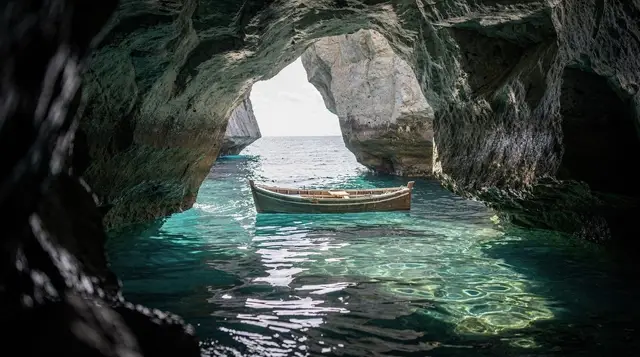
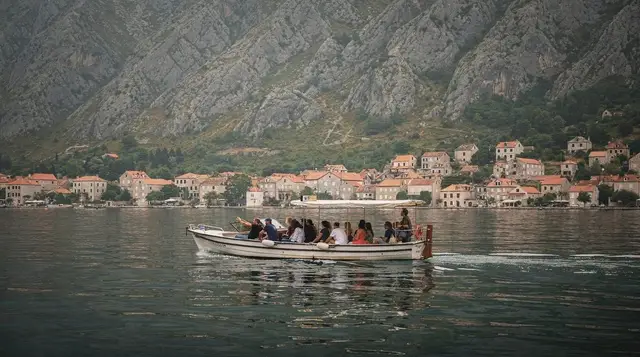
Four beaches in three days earns a change of pace, and a boat trip along the riviera delivers that without leaving the water. A half-day boat tour along the Budva riviera covers coves that are not reachable on foot and usually stops for swimming somewhere quieter than the main beaches. For a shorter option that runs more frequently in high season, the boat tour to Budva covers the core coastline in under half a day, useful if the rest of day four is earmarked for repacking before the mountain leg.
Use the afternoon to sort logistics: confirm the transfer to Žabljak for tomorrow, and separate out the mountain-appropriate clothing from the beach kit, because tomorrow’s bag needs to look nothing like today’s.
Day 5: transfer day, coast to Durmitor
This is the day the itinerary earns its “sharp break” description. The drive from Budva to Žabljak covers close to 130 kilometres and climbs from sea level to roughly 1,450 metres, and it takes three to three and a half hours depending on the route and traffic through Podgorica or via the interior roads. Without a rental car, book this as a private transfer or as an organised transfer package rather than trying to piece together buses, since the interior bus network is not reliable for a same-day connection with a fixed hotel check-in.
Leave the coast by late morning after a final swim if the beach base allows it, and expect the temperature to have dropped noticeably by the time the car reaches Žabljak in the late afternoon. This is the point where the jumper packed on day four earns its place in the itinerary. Check into Žabljak, and do not plan anything active for the evening: it is a transfer day, not a hiking day, and treating it as one leads to a rushed, unsatisfying first look at Durmitor.
Day 6: the Black Lake
The flagship day of the mountain half of the trip is the loop around the Black Lake in Durmitor National Park, a glacial lake ringed by pine forest with Mount Bobotov Kuk visible behind it on a clear day. The main loop trail is flat, well-maintained gravel and takes roughly 90 minutes to two hours at an easy pace, achievable in trainers rather than technical boots.
For travellers who want more than the lake loop, the Durmitor: Black Lake Tara Canyon day tour combines the lake with a canyon viewpoint stop and transport, which is a practical option without a car of your own. See the Black Lake hiking guide for trail variations and the Durmitor National Park guide for wider park logistics.
Morning temperatures around the lake regularly sit below 15 degrees even in August, so the layer packed for the transfer day gets used here too. Afternoon is free for Žabljak itself, a small mountain town with none of the coastal pace, or a shorter walk toward one of the park’s other viewpoints.
Day 7: Tara Canyon rafting, then back to the coast
The activity that genuinely justifies dragging beach-holiday travellers up into the mountains is a half-day of rafting on the Tara River Canyon, Europe’s deepest gorge and one of the more accessible white-water runs on the continent for beginners. A standard half-day trip costs roughly 40-50 EUR per person, includes all safety equipment and a guide, and runs a beginner-friendly stretch of grade II-III rapids through genuinely dramatic canyon walls.
Book it through the combined Black Lake and Tara Canyon day tour if it was not already covered on day six, or as a standalone trip; for a calmer paddle-based alternative to full rafting, the Tara Canyon canoe trip with picnic covers similar scenery at a gentler pace. Full route detail is in the Tara Canyon rafting guide.
Rafting trips typically run in the morning and finish by early afternoon, which leaves just enough time to change out of wetsuits and begin the transfer back down to the coast, arriving into Budva or Kotor by early evening. It is a long final day, and it is worth accepting that in advance rather than trying to also fit in a last coastal swim on the same day.
Planning notes for this route
| Leg | Distance from Kotor | Typical transfer time |
|---|---|---|
| Kotor to Budva | ~30 km | 30 min |
| Kotor to Žabljak | ~130 km | 3h-3h30 |
| Budva to Žabljak | ~130 km | 3h-3h30 |
Without a car, budget more for transfers than a self-driving itinerary would: a private transfer for the coast-to-mountain leg typically costs more than the equivalent car rental for a day, but it removes the risk of navigating unfamiliar mountain roads immediately after a week of holiday driving inexperience or none at all. Anyone reconsidering a rental car for future trips should read the car rental in Montenegro guide and the wider Montenegro without a car guide before deciding.
For accommodation strategy across the two halves of the week, Kotor versus Budva as a base covers which town suits the beach block better, and a wider look at beach options is in the best beaches near Kotor guide. Pack list specifics for both climates are covered in what to pack for Montenegro.
FAQ: combining a Budva beach week with Durmitor
Can this itinerary be done without renting a car?
Yes, and it is designed that way. Coastal buses cover Kotor to Budva easily, and the Budva-Žabljak leg is best done with a private transfer or an organised day tour rather than self-driving the mountain roads for the first time.
How cold does it actually get in Durmitor in August?
Žabljak sits at around 1,450 metres, so mornings and evenings run 10-15 degrees cooler than the coast even in August. A jumper and a light jacket are not optional, whatever the beach days suggested.
Is five days of pebble beaches actually enough variety?
Jaz, Bečići, Rafailovići and Mogren each have a different character, from undeveloped to fully built up, so the beach block does not feel repetitive, but travellers who want sand rather than pebbles will be disappointed regardless of which one they pick.
Do I need hiking boots for the Black Lake, or will trainers do?
The main loop around the Black Lake is a flat, well-maintained gravel path that trainers handle fine; anything beyond that loop toward Bobotov Kuk needs proper boots and is a different kind of day.
Is the Tara Canyon rafting suitable for non-swimmers or young children?
The standard half-day rafting run is graded for beginners and life jackets are compulsory, but most operators set a minimum age around 8-10 and expect basic water confidence, so check with the operator before booking for younger children.
What is the single most common mistake on this itinerary?
Underestimating the transfer day. Three to three and a half hours from the coast to Žabljak, with a real climb in altitude and temperature, is not a day to also schedule a hike or a swim on either end.
Beach & swimming tours on GetYourGuide
Verified deep-linked GetYourGuide tours. Book through these links and we earn a small commission at no cost to you.
GetYourGuide does not provide a product photo for this activity — the image shows the meeting point, photographed by us.